



For an entire week, our Research Fellow Luca Rocca participated in the VIII International Seminar on Material Culture in the History of Physics, funded by the Wilhelm and Else Heraeus Foundation and hosted by the Deutsches Museum in Munich. The research activities during the week were led by Dr. Peter Heering and Dr. Julia Bloemer of the Europa-Universität Flensburg, Dr. Johannes-Geert Hagmann, Acting Director of Research at the Deutsches Museum, and Dr. Kristen Frederick-Frost of the National Museum of American History. Together with sixteen other researchers, we reflected on the importance of historical scientific instruments as sources of information for reconstructing the production of scientific knowledge. While historians typically base their work on archival research, using historical documents in an attempt to reconstruct the scientific and socio-cultural context of physics and science in general, not every aspect of the history of science is recorded in textual form. During the seminar, standard approaches to object analysis—such as the Winterthur Model and the Lourenço–Gessner Model—were introduced and immediately put into practice using some instruments made available by the Deutsches Museum. Beginning with an observation conducted without prior information, we attempted to reconstruct the biography of one of these objects (Figure 1).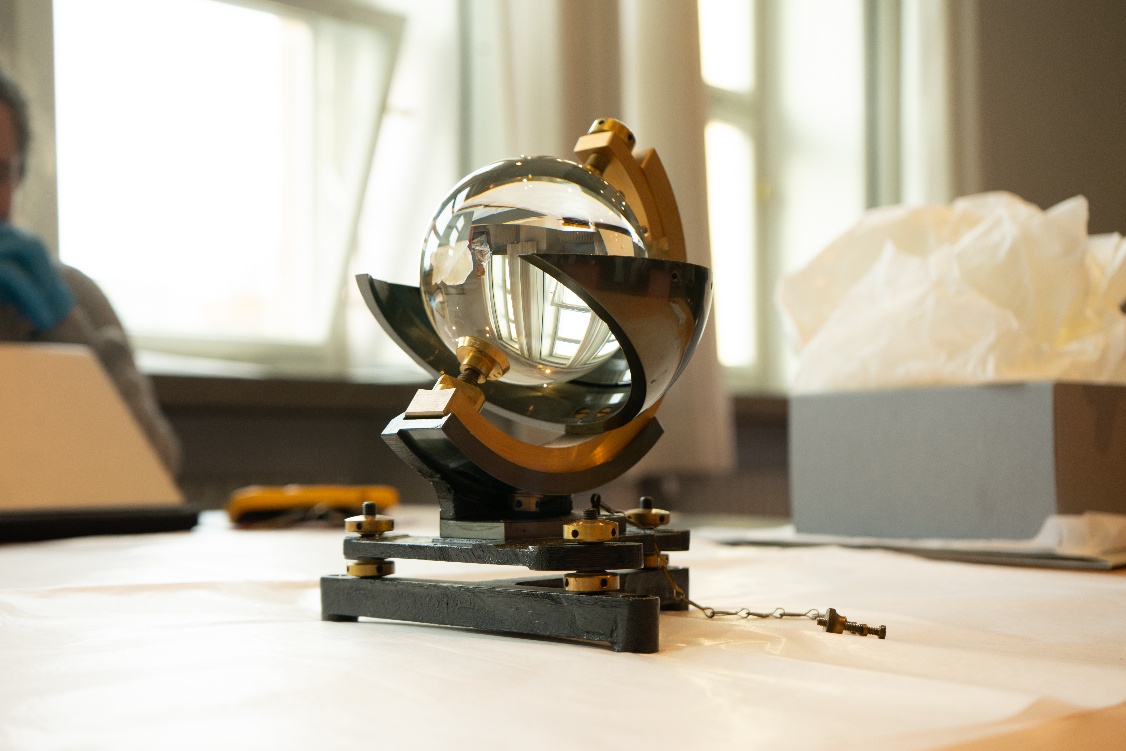 Figure 1: The mysterious object that served as the subject of study.
Once access to the archives became possible, we discovered that the object was a Campbell–Stokes heliograph, produced in London around 1920 by the Casella company. The time spent in Munich has put our researcher in communication with other scholars from across the globe that share the same passion and interest of us toward science history and scientific instruments, we have spent such an amazing time together.
In July, the results of these comparisons and investigations will be presented in an article, so do not despair if you would like to learn more about the heliograph!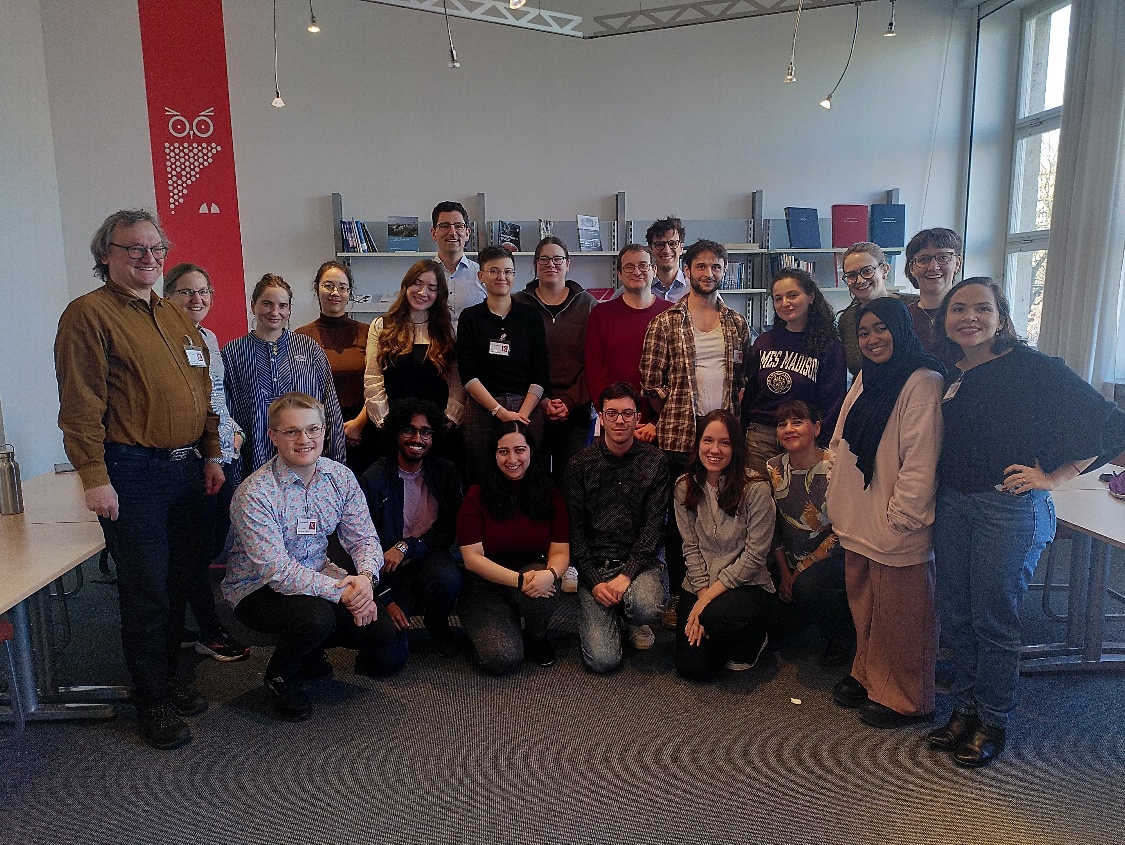 Figure 2: The amazing team at the VIII Seminar in Material Culture on the History of Physics.